Dartmouth is known for its historic waterfront, castle, and riverside charm, but there are quieter corners and lesser-known spots that reveal a different side of the town. These hidden gems provide visitors with opportunities to explore at a slower pace, enjoy the views, and discover spaces often missed by the casual visitor. From small historic sites to secluded gardens and walking routes, these eight locations offer a broader picture of Dartmouth’s character and heritage.
Gallants Bower
Gallants Bower is the site of a small fortification from the Civil War, located on elevated ground overlooking the River Dart. Accessible via a short woodland path from Dartmouth Castle (full route here), the site provides panoramic views of the estuary and surrounding countryside. While no structures remain, the earthworks offer insight into Dartmouth’s historic defensive positions, and the quiet surroundings make it a place to observe the landscape and river activity without the crowds common at the town’s more visited landmarks.
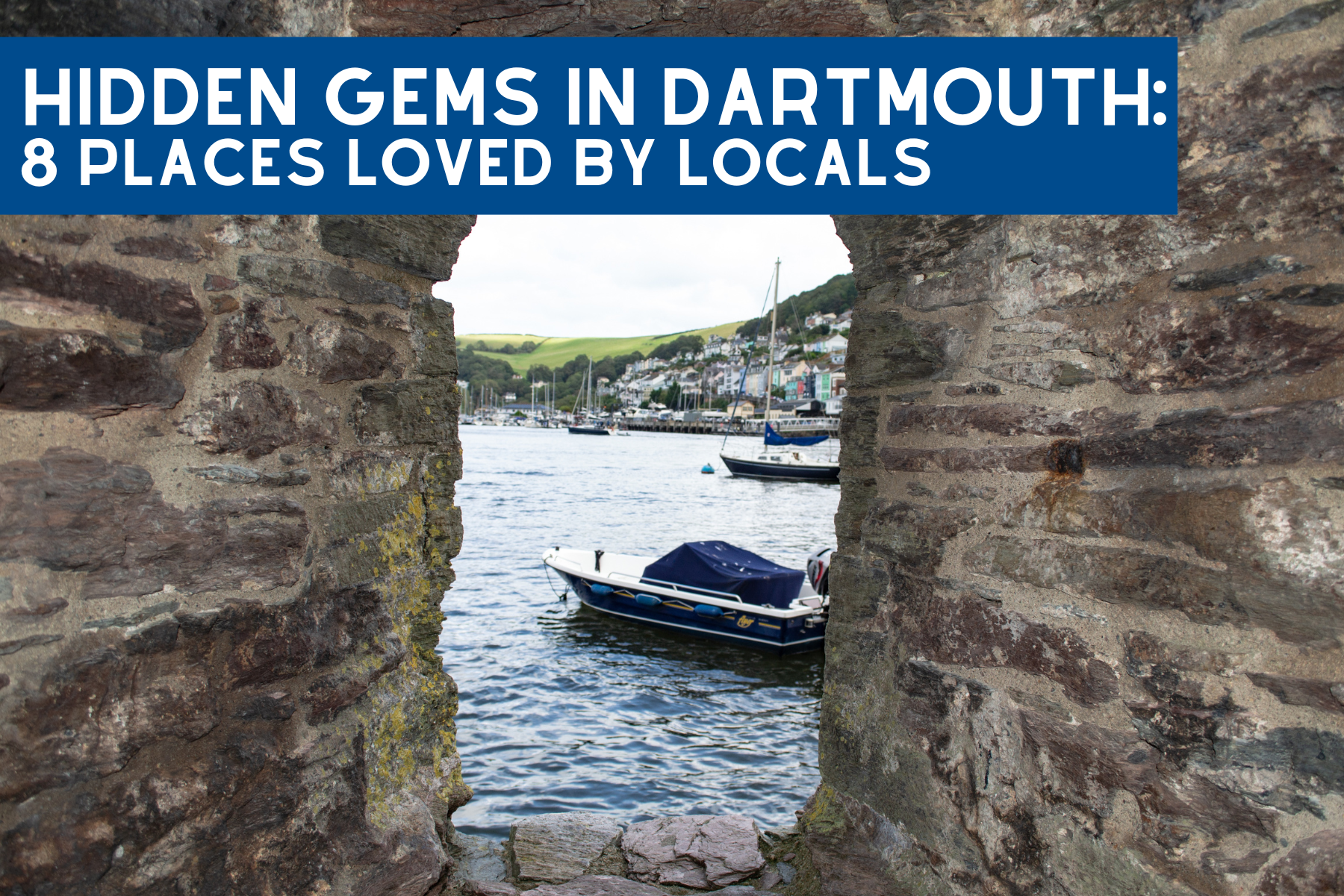
Bayard’s Cove Fort is a Tudor-era coastal defence positioned at the water’s edge. Smaller than Dartmouth Castle, it retains historic walls and offers clear views of the estuary. The adjacent quay provides a calm space for observing boats and local wildlife, highlighting the town’s maritime heritage. The fort is a distinctive example of Dartmouth’s historic defences, often overlooked but accessible and informative for visitors interested in the town’s past.
Old Mill Creek
Old Mill Creek is a quiet stretch of riverside just a short walk from the town centre. Once part of Dartmouth’s shipbuilding industry, the area now features natural surroundings with mature trees and wildlife. Visitors can follow the path along the creek to see kingfishers, herons, and occasional seals. The site provides a balance of history and nature, offering a peaceful walking route while reflecting the town’s relationship with the River Dart.
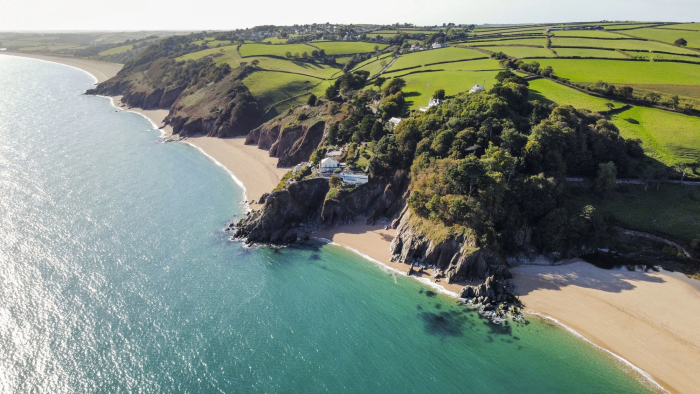
Sugary Cove is a small, sheltered pebble beach located near Dartmouth Castle. Accessed via a woodland path, it remains largely undisturbed and provides a tranquil setting for a riverside visit. The cove is suitable for short walks, picnics, and quiet observation of the estuary, demonstrating the variety of natural environments available within close proximity to the town centre.
Warfleet Creek
Warfleet Creek is a small tidal inlet on the west side of the River Dart, largely overlooked by visitors. The creek’s steep banks and sheltered waters provide a distinct contrast to the busier waterfront, while its historical connection to local industry, including the former Dartmouth Pottery, highlights the town’s working estuary heritage. Accessible via public footpaths, it offers a quiet riverside environment that complements Dartmouth’s better-known sites.
Foss Street & The Old Market
Foss Street and The Old Market are part of Dartmouth’s historic backstreets, where small independent shops, galleries, and workshops occupy buildings that retain much of their original character. This area offers insight into the town’s local commerce and creative activity, away from the main streets. Visitors can explore the streets at a relaxed pace, taking in architectural details and discovering crafts, artworks, and products unique to Dartmouth.
Jawbone Hill Viewpoint
Jawbone Hill offers elevated views over Dartmouth and the River Dart. The short climb provides a clear vantage point to observe the town layout, riverside activity, and surrounding countryside. It is a well-positioned viewpoint that allows visitors to appreciate Dartmouth from a broader perspective, complementing closer inspections of the waterfront and streets.
Dartmouth is home to Newcomen Engine, the oldest surviving steam engine in the world, designed by Thomas Newcomen and originally used for industrial pumping in the early 18th century. After being brought back to Dartmouth in the 1960s, the engine was reerected and is now displayed in working condition on site in the Visitor Centre. This piece of engineering history is often overlooked by visitors focused on the town’s maritime heritage, yet it offers a compelling insight into Dartmouth’s contribution to the Industrial Revolution and early steam power.
Dartmouth’s appeal extends far beyond its iconic harbour and castle. These hidden gems, from historic remains and riverside inlets to quiet streets and remarkable engineering heritage, reveal layers of the town’s story that many visitors miss. Exploring these locations offers a deeper understanding of Dartmouth’s landscape, history, and community, encouraging a richer, more varied experience for those who take the time to look beyond the familiar.