
Guest Blog Post
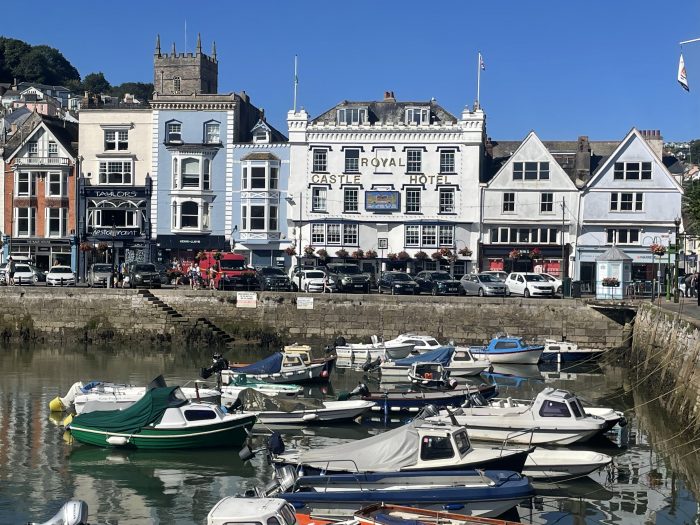
Dartmouth has long been one of South Devon’s most popular coastal destinations, attracting visitors with its waterfront setting, maritime history and easy access to some of the region’s most scenic countryside. In recent years, however, the way people experience the area has begun to shift. Touring holidays, campervan travel and coastal camping are playing a larger role in the local visitor economy, reflecting wider changes in how people choose to explore the UK.
Across Devon and the South West, flexible travel has become increasingly popular among visitors looking for slower-paced holidays and greater freedom to move between coastal towns, beaches and countryside locations. For Dartmouth, the trend has created new opportunities for tourism businesses while also encouraging more travellers to experience parts of the region beyond the traditional summer hotel stay.
From hort campervan breaks to longer touring holidays along the South Devon coast, outdoor-focused travel is reshaping visitor habits across the area.
A Growing Interest in Flexible Coastal Travel
Domestic touring holidays have seen steady growth across the UK in recent years, particularly among travellers seeking adaptable and experience-led breaks. Coastal regions such as South Devon have benefited from this shift, with visitors increasingly choosing road-trip style holidays that allow them to explore multiple destinations within a single trip.
Dartmouth’s location makes it especially attractive for touring visitors. The town sits close to several well-known coastal routes and natural landmarks, including Start Bay, Slapton Sands and the South West Coast Path. Visitors can move easily between beaches, countryside villages and harbour towns while still using Dartmouth as a central base.
Touring holidays also appeal to travellers looking for a more independent experience. Rather than following fixed schedules, visitors can spend time exploring smaller villages, scenic viewpoints and local walking routes at their own pace.
Many travellers now combine visits to Dartmouth with stops in nearby locations such as Totnes, Kingswear and Stoke Fleming, helping spread tourism activity across the wider South Devon region.
Camping and Outdoor Tourism Continue to Evolve
Camping culture itself has changed considerably over the past decade. Traditional tent camping remains popular, but there has been significant growth in campervan travel, glamping and motorhome tourism, particularly among families and younger travellers seeking more flexible accommodation options.
Across South Devon, campsites increasingly cater to visitors looking for comfort alongside outdoor experiences. Facilities such as electric hook-ups, digital booking systems and improved on-site amenities have helped broaden the appeal of touring holidays beyond experienced campers.
At the same time, many visitors remain drawn to the simplicity of coastal camping. Access to beaches, walking routes and open countryside continues to shape travel decisions, especially for people looking to spend more time outdoors during their stay.
Blackpool Sands and the surrounding coastline remain particularly popular with visitors interested in kayaking, paddleboarding and coastal walking. Further inland, the Dart Valley provides quieter countryside routes that appeal to cyclists and nature-focused travellers.
Tourism operators say many visitors are now prioritising experiences over packed itineraries, choosing slower travel styles that allow more time to enjoy local scenery and independent businesses.
Dartmouth’s Independent Character Appeals to Touring Visitors
One reason Dartmouth continues to attract touring travellers is the town’s strong independent identity. Unlike larger resort destinations dominated by national chains, Dartmouth retains a mix of local cafés, restaurants, galleries and family-run accommodation providers that contribute to its distinctive atmosphere.
For visitors arriving by campervan or touring vehicle, the ability to stop and explore local businesses is often part of the appeal. Waterfront cafés, seafood restaurants and independent shops benefit from travellers who may stay only briefly but spend across multiple locations during their visit.
The town’s harbour setting also adds to its popularity among outdoor-focused visitors. Boat trips, ferries and riverside walking routes allow travellers to experience the area without relying entirely on car travel once they arrive.
Kingswear, located directly across the River Dart, has also become a popular addition to touring itineraries thanks to its rail connections, coastal scenery and quieter pace.
Technology Is Supporting Modern Touring Holidays
Technology is quietly influencing how touring and camping holidays operate across South Devon. Mobile travel apps, campsite booking platforms and digital route planning tools have made it easier for visitors to organise flexible trips while adapting plans during travel.
Many visitors now book accommodation, campsites and local attractions online while already travelling, allowing for shorter-notice decisions and more spontaneous itineraries. Tourism businesses in Dartmouth have increasingly adapted to this behaviour through mobile-friendly booking systems and real-time visitor information.
Practical travel planning has also become more important for longer touring holidays, particularly for campervan and caravan users travelling across multiple destinations. Travellers preparing for extended stays around South Devon increasingly compare practical equipment options, including inverter generator vs generator setups, depending on campsite facilities and off-grid travel requirements.
For many visitors, these considerations are simply part of planning comfortable and flexible outdoor trips without sacrificing convenience.
Interest in Nature-Based Tourism Remains Strong
The popularity of touring holidays also reflects broader interest in nature-based tourism. Visitors are increasingly looking for holidays centred around walking, coastal scenery and outdoor recreation rather than heavily scheduled resort experiences.
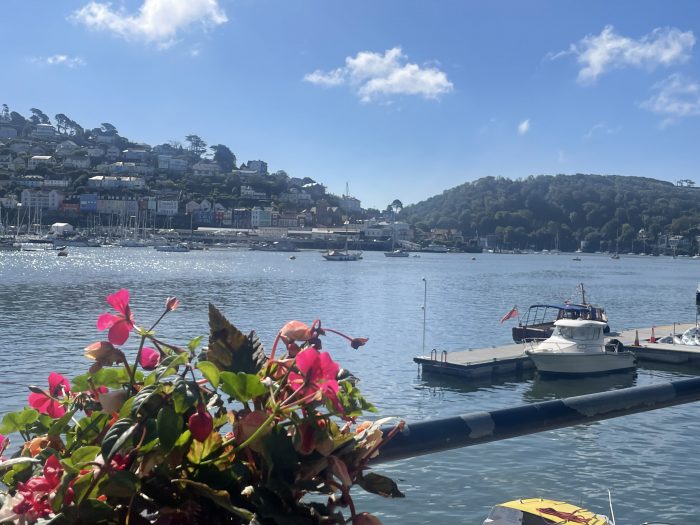
South Devon’s geography naturally supports this style of travel. The combination of coastline, estuaries, woodland and open countryside allows travellers to move easily between different landscapes within relatively short distances.
The South West Coast Path continues to attract walkers from across the UK, many of whom combine hiking with campsite or campervan stays along the route. Seasonal wildlife, sailing events and local food markets also contribute to the appeal of slower-paced travel around Dartmouth.
Importantly, many visitors see touring holidays as a way to experience places more authentically. Spending time in local cafés, village pubs and independent campsites often creates a stronger connection with the area than traditional package travel.
A Continuing Shift in How Visitors Explore South Devon
Touring and camping trends are likely to remain an important part of South Devon’s tourism landscape as travellers continue seeking flexible, experience-driven holidays. For Dartmouth, the growth of outdoor travel supports not only accommodation providers but also independent businesses, activity operators and surrounding rural communities.
While travel habits continue to evolve, Dartmouth’s combination of coastal scenery, historic character and accessible countryside places it in a strong position to benefit from the continued popularity of touring holidays.
For many visitors, the appeal lies not simply in reaching a destination, but in the freedom to explore the wider South Devon coast at a slower and more personal pace.
” Sponsored”