
Guest Blog Post
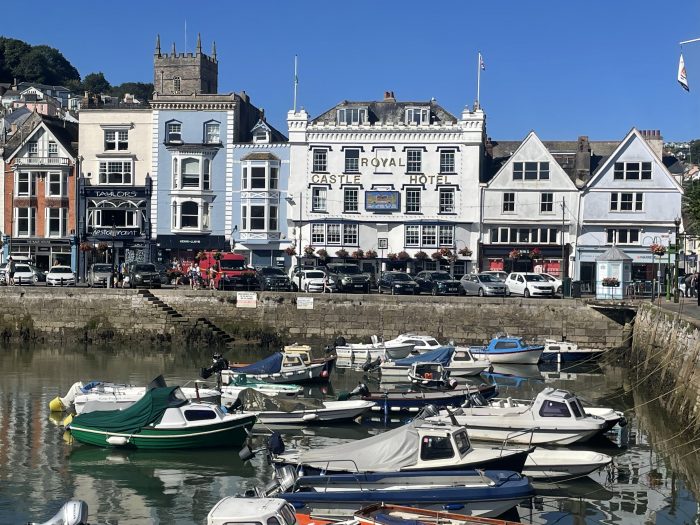
Dartmouth’s appeal has long been built on qualities that cannot easily be replicated elsewhere. The historic harbour, independent shops, waterfront cafés and family-run accommodation providers all contribute to a visitor experience shaped more by character and community than large-scale tourism infrastructure. For many travellers, that local identity is precisely what makes the South Devon town stand out.
As tourism habits continue to evolve, however, independent businesses across Dartmouth are adapting to a visitor economy that is increasingly influenced by digital expectations. Online bookings, mobile payments, review platforms and social media recommendations now play a major role in how visitors discover, plan and experience trips to coastal destinations.
For smaller tourism businesses, maintaining visitor trust has become just as important online as it is face-to-face.
Independent Businesses Remain Central to Dartmouth’s Identity
Unlike many larger resort destinations, Dartmouth’s tourism economy remains closely connected to independent operators. Boutique guest houses, cafés, galleries, restaurants and local retailers form a significant part of the town’s appeal, giving visitors a more personal and locally rooted experience.
These businesses often rely heavily on reputation and repeat visitors. Recommendations, positive reviews and word-of-mouth support remain especially important in a town where hospitality is closely linked to community relationships.
Over recent years, however, the way those relationships begin has changed considerably. Many visitors now first encounter Dartmouth through online searches, booking platforms or social media content before arriving in the town itself.
Tourism specialists say this shift has increased the importance of maintaining reliable digital communication alongside traditional customer service. Visitors expect booking systems to function smoothly, websites to provide accurate information and online enquiries to receive timely responses.
For smaller businesses with limited staffing, adapting to those expectations has required significant changes in how they operate.
Visitor Behaviour Has Become More Digitally Driven
The rise of mobile travel planning has transformed how visitors organise holidays across the UK, particularly in popular destinations such as South Devon. Accommodation reservations, restaurant bookings and activity planning are now commonly completed online, often within short timeframes.
Travellers visiting Dartmouth increasingly expect immediate access to information, including parking updates, seasonal opening hours and local event details. Businesses that once relied primarily on telephone bookings or walk-in customers are now managing digital reservations throughout the year.
This shift has also influenced how visitors evaluate trust. A well-maintained website, secure payment process and responsive online communication can strongly affect whether potential visitors feel confident booking with an independent business.
For hospitality operators, particularly smaller guest houses and holiday cottage providers, establishing that confidence online is now considered an important part of attracting visitors.
Local tourism organisations across Devon have encouraged businesses to strengthen their digital presence while preserving the independent character that visitors continue to value.
Online Reviews and Reputation Matter More Than Ever
Review platforms and travel websites now play a major role in shaping visitor decisions. Positive guest experiences can quickly strengthen the visibility of independent businesses, while poor communication or booking difficulties may discourage future customers.
For many visitors planning trips to Dartmouth, online research forms part of the holiday experience itself. Travellers often compare accommodation reviews, restaurant recommendations and activity suggestions before finalising travel plans.
This has increased pressure on businesses to maintain consistent service standards both online and in person. Clear communication, transparent pricing and reliable booking systems are increasingly viewed as essential rather than optional.
Social media has also changed how visitors engage with destinations. Images of Dartmouth’s waterfront, independent cafés and coastal scenery are frequently shared online, helping attract new audiences to the area. Smaller businesses that actively maintain digital engagement often benefit from increased visibility during peak tourism periods.
At the same time, tourism operators remain aware that Dartmouth’s reputation depends heavily on authenticity. Visitors continue to value the town’s independent atmosphere and personalised hospitality, qualities that larger commercial destinations may struggle to replicate.
Digital Security Is Becoming Part of Visitor Confidence
As more tourism activity moves online, businesses are paying greater attention to the security of booking systems and customer information. Even smaller hospitality operators now regularly process digital payments and manage online reservation data as part of everyday operations.
Industry advisers say awareness around cyber risks has increased across the UK tourism sector, particularly following the wider growth of online transactions and remote business management systems.
While visitors may not think directly about digital infrastructure when booking a holiday, secure online experiences increasingly influence trust and confidence. Businesses handling customer information are expected to maintain reliable systems that protect payment details and communication records.
Some independent operators are now seeking external advice around cyber security risk assessment UK practices as part of wider efforts to strengthen online operations and improve customer reassurance during busy travel periods.
For many businesses, these measures are less about technology itself and more about preserving trust within an increasingly digital tourism environment.
Dartmouth Continues to Balance Tradition With Change
Despite changes in visitor behaviour, Dartmouth’s appeal remains closely tied to its traditional strengths. The town’s independent business community, historic streets and waterfront setting continue to attract visitors looking for a more personal travel experience.
Technology and digital systems are increasingly supporting that experience rather than replacing it. Online booking tools, digital maps and visitor information platforms help travellers plan trips more easily, while local businesses remain focused on the hospitality and character that define the town itself.
Tourism professionals say this balance is becoming increasingly important for destinations across South Devon. Visitors expect convenience and reliable online access, but they also want authentic places that retain local identity and community atmosphere.
For Dartmouth’s independent businesses, maintaining trust now extends across both physical and digital spaces. The ability to combine traditional hospitality with modern visitor expectations may play an increasingly important role in supporting the town’s tourism economy in the years ahead.
As more travellers continue choosing independent coastal destinations over larger commercial resorts, Dartmouth’s reputation for authenticity, reliability and local character is likely to remain one of its strongest advantages.
” Sposnored”