

Guest Blog Post
There are few places in South Devon that leave quite the same impression as Dartmouth. Arriving by road from Totnes or crossing the River Dart from Kingswear on the lower ferry, visitors are met with steep hillsides lined with colourful houses, narrow historic streets and a waterfront that remains central to daily life in the town. While many coastal destinations feel busiest only during the height of summer, Dartmouth continues to attract visitors throughout the year for reasons that go well beyond seasonal tourism.
The town’s appeal lies partly in its balance. Dartmouth is lively without feeling crowded, historic without appearing frozen in time, and popular with tourists while still retaining the atmosphere of a working harbour town. Visitors come for sailing, walking routes and waterside restaurants, but many return because of the slower pace and distinctive character that separates Dartmouth from larger seaside resorts elsewhere in the country.
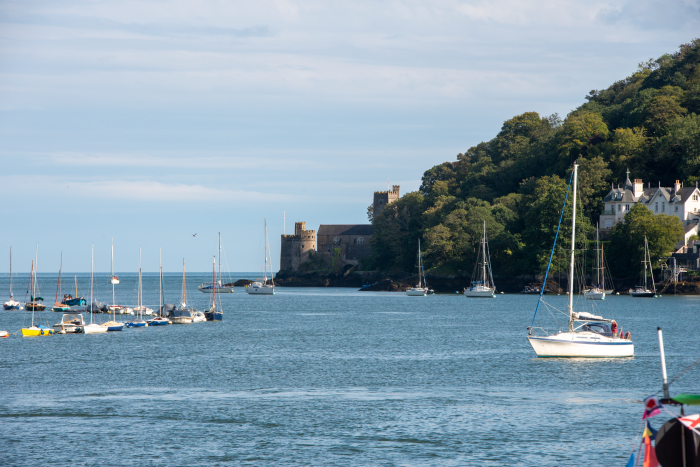
Walking along the embankment early in the morning, it is easy to see why the town remains one of the most photographed locations in South Devon. Fishing boats move across the estuary while cafés begin to open along the waterfront, and ferries continue to connect Dartmouth with Kingswear on the opposite side of the river. The River Dart itself shapes much of the visitor experience, whether through river cruises, paddleboarding, sailing excursions or simply watching activity from the harbour.
A Town Built Around Its Waterfront
Unlike many coastal destinations where the sea sits slightly apart from the town centre, Dartmouth’s waterfront remains closely woven into everyday life. The harbour is not simply scenic background; it continues to influence local businesses, tourism and community events throughout the year.
Boat trips along the River Dart remain one of the most popular attractions for visitors. Cruises towards Greenway, once the holiday home of Agatha Christie, offer views across wooded riverbanks and small riverside villages that are difficult to access by road. During warmer months, the estuary also becomes popular with kayakers and sailing enthusiasts, particularly during the annual Dartmouth Royal Regatta, which continues to draw large crowds each summer.
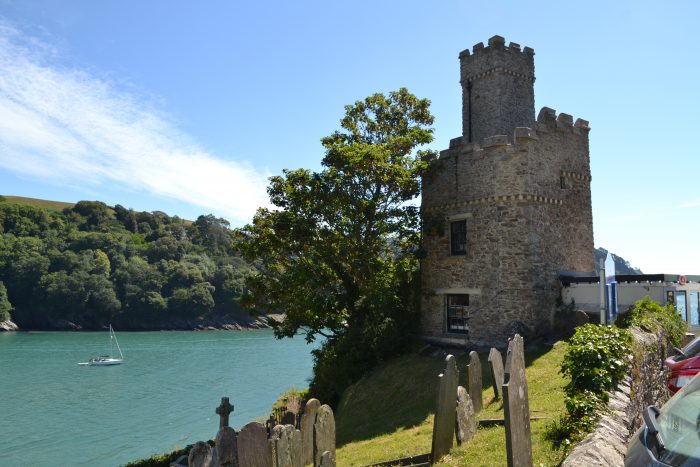
The town’s connection to maritime history is visible almost everywhere. Bayard’s Cove Fort still overlooks the river near the old quay, while Dartmouth Castle remains one of the best-known landmarks along the estuary entrance. The Britannia Royal Naval College, positioned above the town, also contributes to Dartmouth’s long-standing naval identity.
Independent Businesses Continue to Shape the Visitor Experience
Part of Dartmouth’s attraction comes from the fact that much of the town still feels independently run. Foss Street, one of the oldest streets in Dartmouth, is lined with galleries, cafés, bookshops and small boutiques rather than large national chains. Visitors moving between the town centre and the waterfront often discover hidden courtyards, old passageways and traditional pubs that contribute to the town’s quieter character.
Food tourism has also become increasingly important to Dartmouth’s reputation. Seafood remains central to many local menus, with restaurants and waterside eateries drawing on fresh catches landed nearby. During autumn and winter, visitors continue arriving for weekend breaks focused around local food, harbour walks and seasonal events rather than traditional beach tourism.
Accommodation across the area reflects the same mixture of heritage and comfort. Many visitors now favour restored guesthouses, converted townhouses and coastal cottages that retain original features while offering modern interiors suited to longer stays. In several renovated holiday properties overlooking the estuary, practical details such as improved insulation, moisture-resistant finishes and a durable window board are often included quietly within restoration work designed to preserve the character of older buildings exposed to coastal weather.
Dartmouth Beyond the Summer Season
Although summer remains the busiest period, Dartmouth has gradually strengthened its appeal as a year-round destination. Autumn brings quieter streets and clearer walking conditions along the South West Coast Path, while winter visitors are often drawn by the atmosphere around the harbour during the festive season.
Nearby walking routes towards Blackpool Sands, Little Dartmouth and Stoke Fleming remain popular outside peak tourist months, particularly among visitors looking for coastal scenery without the congestion associated with larger holiday resorts. The changing conditions along the estuary also give the town a different atmosphere during colder seasons, with mist rising across the river and waterfront lights reflecting across the harbour in the evenings.
Events continue to support tourism beyond summer as well. The Dartmouth Food Festival attracts visitors from across the South West, while local markets and independent retailers help maintain activity during quieter periods of the year.
Preserving Character in a Popular Coastal Town
As tourism continues to grow across Devon, Dartmouth faces similar pressures experienced by many historic coastal towns. Demand for holiday accommodation and second homes has increased property prices, while maintaining older buildings near the coast remains an ongoing challenge for owners and businesses alike.
Yet much of the town’s success comes from preserving the character that visitors expect when they arrive. Traditional architecture, independent businesses and historic streets remain central to Dartmouth’s identity, and many restoration projects are approached carefully to ensure modernisation does not overpower the town’s original atmosphere.
That sense of continuity is part of what encourages repeat visits. Dartmouth offers coastal scenery and well-known attractions, but it also provides something quieter and more difficult to replicate elsewhere, a town where the waterfront, historic streets and surrounding landscape still feel closely connected to everyday local life.
For many visitors, that combination continues to define Dartmouth’s enduring appeal long after the summer season has ended.
” Sponsored”