
Guest Blog Post
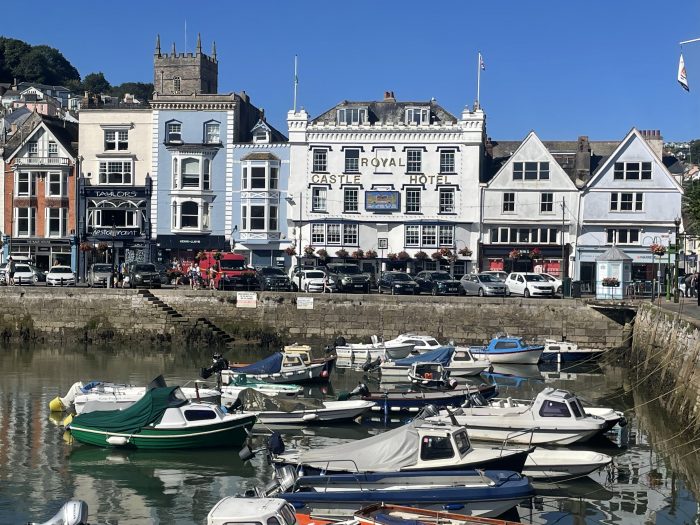
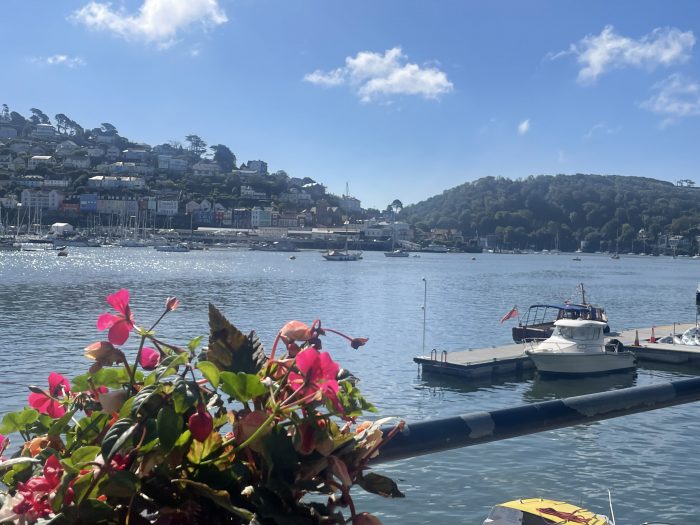
Most Americans who visit Dartmouth didn’t grow up knowing the place existed. It’s not on the shortlist that travel magazines push every spring – no Cotswolds, no Edinburgh, no Bath. It’s a small harbour town in Devon, sitting at the mouth of the River Dart, and it gets under your skin in a way that’s hard to explain until you have walked its streets. Medieval buildings, fishing boats, a castle that’s been watching over the estuary since the 1300s. People come back.
But getting there from the US costs real money, and the financial side of the trip tends to catch people off guard – particularly the way costs pile up well before departure.
The Real Cost of Getting There
Flights to London from major US hubs have climbed. According to SquareMouth, the average international vacation in 2025 cost Americans $9,922 – nearly $1,000 more than the year before. Economy airfare alone ran $1,217 on average. For anyone flying in summer, expect more.
Once you land in London you need to take the train from Paddington to Totnes which takes about three hours. From there, it is a bus or a ferry into town. Dartmouth has no train station of its own, which surprises a lot of first-timers and adds a line to the budget they didn’t see coming.
The town itself is small and walkable, so you won’t be spending much on local transport once you’re settled. Accommodation runs the full range – waterfront B&Bs, self-catering cottages, a few hotels. None of it is cheap in the high season, but it’s also not London pricing.
Things to Do (and What They’ll Run You)
Dartmouth Castle is the obvious starting point. It’s been guarding the narrow entrance to the Dart Estuary for over 600 years, and it’s genuinely worth the visit – gun towers, sea views, a small tearoom with an unfair amount of charm. English Heritage members get in free; everyone else can pick up a pass that covers 100-plus sites across the country.
The Steam Railway is a different kind of day out. It runs a coastal route to Paignton – you take a ferry across first, then board – and the scenery makes it worthwhile even if you’re not particularly interested in trains. The Round Robin option combines the railway with a River Dart cruise and a heritage bus, and it takes most of the day. The cruise itself passes Greenway, the house where Agatha Christie spent her summers, some routes are priced around £7.50.
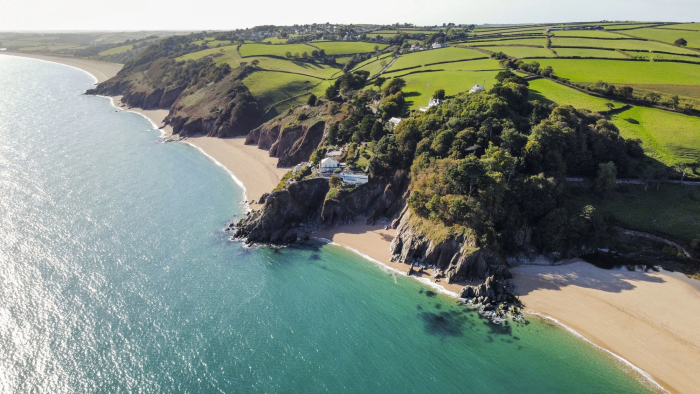
Walking options are solid. The South West Coast Path passes near town, and the trail out to Dartmouth Castle along the headland gives you views that don’t need any explanation. Coleton Fishacre, an Arts and Crafts house a few miles out, has terraced gardens that drop down toward the sea – worth half a day if the weather cooperates.
In town, the Butterwalk on Duke Street is the kind of 17th-century colonnade that you photograph before you even know what it is. There’s a museum tucked in nearby – small, genuinely interesting, covering the town’s maritime history and its unexpected connection to the Pilgrim Fathers. The Dartmouth Royal Regatta in August has been running since 1822 and it’s free to watch. The Food Festival in October draws people specifically for it.
The Cash Flow Gap Most Travelers Don’t Account For
Here’s the part that doesn’t show up in destination guides. International trips front-load almost all of their costs. Flights get booked and paid months out. Hotel deposits follow. Travel insurance – which matters more than people think once you’re dealing with overseas medical coverage – comes next. Currency conversion, airport transfers, the English Heritage pass. All of it lands in your bank account well before you board the plane.
The US Travel Association’s Travel Price Index showed airline fares up 7.1% year-over-year by early 2026. That’s not a small shift for a household already stretched between regular expenses and a trip they’ve been planning.
“Most of the money leaves your account in the weeks before departure, not during the trip,” says Marcus Delaney, a personal finance commentator who covers travel budgeting for middle-income Americans. “We’re talking $3,000 to $5,000 gone before you’ve packed a bag – flights, deposits, insurance – and your next paycheck is still two weeks away. That gap is where a lot of people run into trouble.”
For Wisconsin-based travelers in that situation, Delaney mentions coming across a Reddit thread where people were sharing how they handle similar gaps, with a few pointing to 15mfinance.com as something they had looked into. Most of the discussion wasn’t focused on one single solution, but rather on what actually works when you’re short on time and trying to lock in travel plans. Compared to traditional bank lending, these kinds of processes tend to move faster, which can make a difference when expenses are due weeks in advance. As always, planning for repayment remains part of the equation.
How to Manage It Before You Book
A few things that actually help:
- Lock in flights three to four months out. Transatlantic fares move around a lot, and waiting rarely works in your favor.
- Get a travel card with no foreign transaction fees. It won’t save you thousands, but it removes a recurring irritant across every purchase.
- Don’t go during Regatta week unless that’s the point. Late September or early October – cooler, quieter, cheaper beds, and the Food Festival is on.
- Build the Totnes-to-Dartmouth leg into your budget from the start. It’s not expensive, but it’s easy to forget until you’re standing at the station.
- Buy travel insurance. US health coverage doesn’t cross the Atlantic, and trip cancellation protection is worth having when you’ve paid most of the trip upfront.
Dartmouth rewards the people who make the effort to get there. It’s not a complicated place, but it asks something of you financially before you arrive. Plan for that honestly and the trip itself tends to take care of the rest.
” Sponsered”