

Guest Blog Post
Tucked into the hills of South Devon, Dartmouth is the kind of town that makes people slow down without quite meaning to. It sits on the River Dart in southwest England and is known for its seafaring past, its pretty waterfront, its old buildings and a pace of life that feels a good deal gentler than most. Visitors come for the coastal views, the walks, the local culture and that classic English seaside feeling of an ice cream eaten while the boats bob about. Between the historic landmarks and the quiet footpaths, there’s plenty to keep a curious traveller busy.
A long weekend or a fortnight in South Devon both work well here. Knowing about the famous sights as well as the quieter corners tends to turn a pleasant trip into a properly memorable one.
Explore Dartmouth’s Historic Waterfront
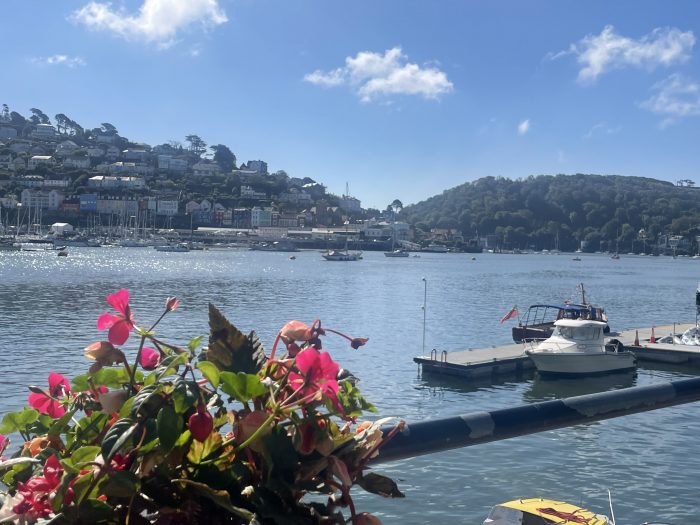
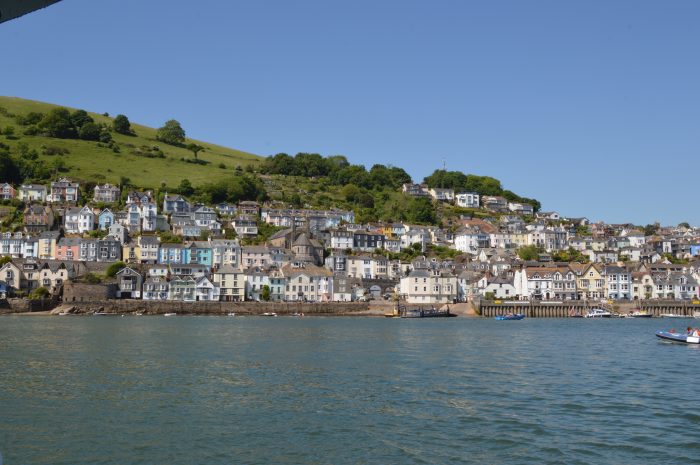
For most people, the waterfront is the picture that sticks in the mind. Brightly painted buildings, old-fashioned shops, riverside restaurants and boats of every size give the banks of the Dart a character all of their own. It’s the natural place to begin.
An unhurried stroll beside the river, watching boats drift past, or a long coffee at a riverside café can easily fill a morning. Along the way, there’s a fair bit to learn about Dartmouth’s seafaring history, which has done so much to make the town what it is.
Discover the History of Dartmouth Castle
Dartmouth Castle ranks among the most important historic sights in town. Standing close to the mouth of the River Dart, it was built to guard the harbour against attacks from the sea.
That clever position also gives it superb views over the coastline and the water below. History lovers can wander through its defences and find out how forts like this one kept busy harbour towns safe. It’s easy to imagine a lookout scanning the horizon for sails.
The footpaths around the castle are lovely in their own right. It’s a particular favourite for visitors who like a bit of history with their fresh air, and a sturdy pair of shoes certainly helps.
Enjoy Scenic Walks Along the South West Coast Path
Keen walkers are well looked after in Dartmouth. The South West Coast Path winds through this stretch of Devon, opening up dramatic coastal views, shady stretches of woodland and peaceful spots to stop and look out to sea.
Routes around the town come in all lengths and levels of difficulty, so a gentle amble suits some while others can tackle something more demanding. Certain paths look out across the River Dart. Others wind away towards quieter bits of coast where the only sound is the wind.
Heading out on foot shows a side of the area that the busy streets don’t. It’s ideal for taking photos, spotting birds or simply enjoying the countryside. A flask of tea on a clifftop bench is hard to beat.
Experience the Beauty of Blackpool Sands
Blackpool Sands lies just a short trip from Dartmouth and is a real beauty. Instead of soft golden sand, it has fine shingle and clear water, all wrapped in wooded hills.
Families, swimmers and anyone after a calm day by the sea all find their way here. In the warmer months, people swim, lounge by the water and explore the countryside around the bay. Children happily spend hours skimming stones.
For lovers of unspoilt coastline, it’s a real treat. It’s wise to check local conditions and what facilities are open before setting off, since nobody enjoys arriving to find the café shut.
Take a River Dart Boat Trip
Seeing Dartmouth from the water gives a whole new view of the town and the countryside around it. The river winds past handsome scenery, historic villages and rolling green hills.
What’s running varies with the time of year and the local timetable. Visitors can often choose between sightseeing cruises, ferry services and other ways to get out on the water.
Travelling this way also shows just how much the River Dart has mattered to local life. For hundreds of years, it has carried trade, people, fishing boats and all kinds of seafaring activity. The river has always been the town’s main road.
Discover Dartmouth’s Local Food and Independent Shops
Tasting the local food and browsing independent businesses is one of the real pleasures of a visit. The town has a good mix of cafés, traditional pubs, seafood restaurants, bakeries and independent shops.
Fresh seafood goes hand in hand with South Devon’s coastal character. Menus often feature fish, shellfish and seasonal ingredients from the surrounding area. A plate of something caught nearby tastes all the better with a view of the water.
The independent shops are full of locally made crafts, gifts, artwork and speciality products. Lingering in them gives a much better feel for the town’s personality, and every purchase helps support the local economy. A small handmade gift often brings back the trip long after the suitcase is unpacked.
Explore Nearby Hidden Gems
Dartmouth has plenty to see, but the wider South Devon area hides several more places worth seeking out.
Nearby villages and stretches of coast offer a quieter alternative to the busier tourist spots. There are old streets to wander, country walks, secluded viewpoints and charming riverside communities.
Dittisham, an old village set beside the river, is a good example, and it’s known for being lovely and calm. The countryside round about is also perfect for walking, cycling and soaking up Devon’s natural beauty.
Heading out to spots like these gives a Dartmouth break more variety and reveals corners the crowds rarely reach. Sometimes the best memory of a trip comes from a place nobody planned to visit.
Coastal Living and Property Opportunities in Paphos
Coastal places often draw in more than holidaymakers. Some visitors start to wonder what it would be like to live by the sea for good, especially once they’ve had a taste of the lifestyle. A week of sea air can plant that idea surprisingly quickly. On Cyprus’s southwestern shore, Paphos draws worldwide interest too, thanks to its Mediterranean climate, beaches, historic sites and homes to live in.
People researching buying house in Paphos may weigh up how close a property is to the coast, access to everyday services, local infrastructure and how much upkeep a home will need. Getting to know the local property market and legal steps is essential before committing to any purchase.
International property research platforms such as Tranio can also offer information about overseas housing markets. Comparing destinations helps would-be buyers see how life by the sea differs from one region and country to the next.
Plan the Visit Around the Seasons
The best time to visit Dartmouth really comes down to personal taste and what’s on the agenda. Spring and summer usually bring warmer weather and long, light evenings, which suit coastal walks, boat trips and days at the beach.
Autumn can bring glorious countryside colours and a calmer feel around town. Winter has its own charm for travellers who like quiet streets, sweeping views and cosy indoor attractions.
Checking transport, opening times and the weather forecast before travelling helps make for a smoother, more comfortable trip. A rain jacket in the bag is rarely wasted in Devon.
Conclusion
Dartmouth brings together seafaring history, coastal scenery, outdoor fun and traditional English charm in one appealing spot. A morning at Dartmouth Castle, a stretch of the South West Coast Path, an afternoon at Blackpool Sands and a wander round nearby villages are just some of the ways to enjoy it.
Making time for both the well-known sights and the quieter corners gives visitors a fuller sense of what South Devon is all about. With a little planning, Dartmouth can make for a memorable coastal escape at any time of year.
” Sponsored”