

Guest Blog Post
Family-Friendly Dartmouth: Educational Activities for Kids and Tips for Working Parents
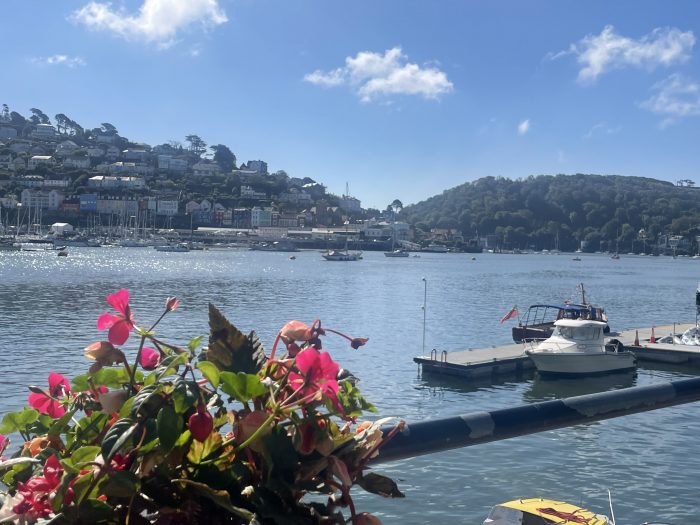
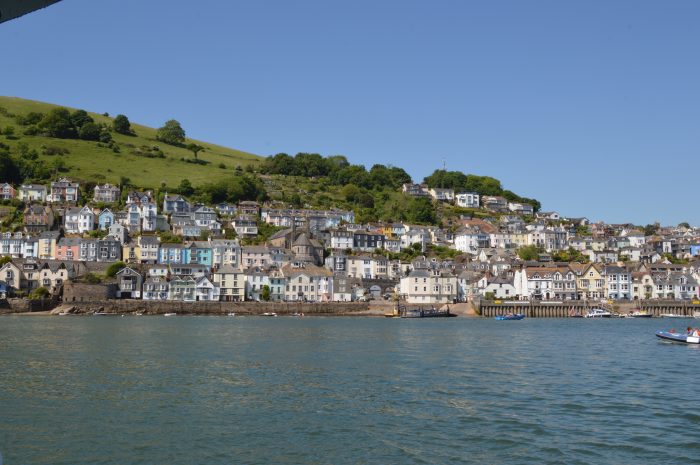
A family visit to Dartmouth can take you from watching boats on the River Dart to exploring a castle or travelling through South Devon by steam train. Along the way, children have plenty to investigate, whether they’re curious about wildlife, fascinated by old buildings, or happiest following a route on a map.
If you’re also fitting in occasional work or keeping up with existing lessons, a little planning can help protect that time together. Dartmouth makes a useful base for a holiday that combines days out with slower moments, without filling every hour of the itinerary.
Organise your time before your Dartmouth trip
Start with one main outing each day, allowing enough time for getting there, eating, and taking breaks. A castle visit followed by an unhurried lunch is often more enjoyable than trying to squeeze several attractions into an afternoon.
Plan outings around location and travel time
Group nearby activities where you can. A visit to Dartmouth Museum, for example, could sit alongside a wander through town and time watching the waterfront. Keep longer journeys for days when you won’t need to return for a meeting.
It also helps to have your travel information ready before leaving home. If you’ve downloaded booking confirmations, maps, and an itinerary, you can use Smallpdf to easily organize your PDFs, arranging the pages in the order you’ll need them. Save the finished document on your phone so you can find the next booking without searching through emails.
Give essential work a clear window
Agree on a realistic work window with your family and colleagues before the trip. If you’re travelling with another adult, decide who’ll be looking after the children during calls, and leave enough time afterwards to get ready for your outing.
Having a clear finish time makes it easier for everyone to plan the rest of the day. It also helps you judge which days can accommodate a longer excursion and which are better suited to staying close to Dartmouth.
Arrange any extra lessons around your South Devon outings
Some families may want to continue an existing tutoring routine during their stay, especially if a child is preparing for an exam or benefits from regular support. Arrange those sessions before travelling so they fit around the holiday.
Parents can use FindTutors to look for an online tutor and discuss suitable lesson times. A session before heading out might leave the rest of the day free, although the best timing will depend on your child and the tutor’s availability.
Before confirming a lesson, check a few practical details:
- Wi-Fi: Ask whether your accommodation has a reliable connection suitable for a video lesson.
- A quiet space: Choose somewhere your child can hear the tutor and concentrate without interruptions.
- Lesson materials: Bring any headphones, books, or login details they’ll need.
- Time between activities: Leave a comfortable gap before your next booking so a delayed lesson doesn’t lead to a rushed departure.
Where it suits what they’re studying, the trip can also provide something to talk about afterwards. Describing Dartmouth’s harbour could support a writing lesson, while a walk beside the Dart could give a geography topic a familiar setting. Follow your child’s interest rather than turning every outing into an assignment.
Discover coastal history at Dartmouth Castle
Dartmouth Castle has guarded the narrow entrance to the Dart Estuary for more than 600 years. Its position gives children a useful starting point for understanding why the town needed protection and how defenders watched the approaches from the sea.
Take a moment to look across the water before exploring the castle. Ask children where they would have watched for approaching ships, then look for defensive features that help explain how the site worked.
Younger visitors might enjoy choosing a lookout position, while older children could consider why controlling a narrow river entrance would matter to a port. Let their questions guide how much history you explore.
Check opening times before setting off, and leave some space afterwards to enjoy the surrounding area. Keeping the visit unhurried gives children time to notice things they might miss if everyone is focused on reaching the next attraction.
Turn a Dart estuary walk into a wildlife challenge
A walk beside the Dart gives children something different to notice each time they stop. Choose a manageable route for their age and energy, with safe places to pause away from traffic and the water’s edge.
A short spotting list can give the walk a loose purpose:
- Birds: Watch for birds resting near the water or searching for food, and compare their beaks or movements.
- Boats: Spot different types of vessels and discuss what each might be used for.
- Shoreline features: Look for seaweed, exposed mud, stones, or signs showing where the water has reached.
- Changes in the view: Notice how the opposite bank, buildings, and moorings look as you move along.
Explain that an estuary is where a river meets the sea. If you pass the same place later, compare the water level and see which features have appeared or disappeared with the tide.
A pocket notebook gives children somewhere to sketch a bird or record an unfamiliar boat. They don’t need to identify everything correctly for the activity to be worthwhile; noticing a detail and asking about it is a good place to begin.
Explore South Devon by ferry and steam train
The journey itself can become a highlight when you combine a crossing to Kingswear with a trip on the Dartmouth Steam Railway. The railway runs between Kingswear and Paignton, with views of the River Dart, countryside, and the Torbay coast along the route.
Follow the journey on a map
Before leaving, find Dartmouth and Kingswear on opposite sides of the river, then trace the railway towards Paignton. During the trip, children can look for places where the line follows the water or heads inland.
Watching people cross the river can also lead to a conversation about how ferries connect communities. Once you’re on the train, the railway offers a chance to think about how people travelled before cars became common.
Leave room for the connections
Check the operating timetable, ticket inclusions, and return connections for your chosen date. Make sure you understand which parts of the journey your tickets cover and allow enough time to move between the ferry and railway.
A little breathing room means children can enjoy watching the boats and boarding the train without everyone worrying about missing the next departure.
Investigate tides and coastal habitats on a beach day
A South Devon beach day can be as simple as a picnic, a shoreline walk, and time to see what catches your children’s attention. Blackpool Sands, near Dartmouth, is one option to consider when planning a family outing.
Choose activities around the beach’s conditions rather than assuming every visit will involve swimming or rock pooling. Children can compare stones, examine seaweed washed ashore, or sketch the shape of the bay from a dry spot.
Watch how the shoreline changes
Check local tide information before travelling and notice where the water reaches when you arrive. During your visit, watch whether that boundary moves up or down the beach. This gives children a visible example of the tidal changes they may already have noticed beside the Dart.
Keep everyone well away from places where an incoming tide could cut off the return route, and check the weather and local safety advice before exploring.
Observe wildlife with care
Encourage children to watch living creatures where they find them and leave attached seaweed and animals undisturbed. Photographs and drawings make a useful record without taking anything home.
Supervise children closely near the water, follow beach signs, and use lifeguarded areas when swimming where available. Let the conditions on the day determine how close your family gets to the sea.
Keep a Dartmouth rainy-day plan ready
Dartmouth Museum offers an indoor way to explore the town’s past. Located in the historic Butterwalk, its collections include ship models, photographs, and objects connected with Dartmouth and the surrounding area.
Give children a small choice as you explore. Depending on their interests, they could:
- Find a favourite ship model and look closely at its details.
- Choose an unfamiliar object and investigate what it was used for.
- Look for a photograph or exhibit connected with somewhere you’ve already visited.
Ask the museum team which activities are available for their age group. Back at your accommodation, a favourite discovery can become a drawing, a scrapbook page, or a few lines in a holiday journal. A child who enjoyed the boats might draw their own vessel, while another may want to write about how the town has changed.
Check museum opening times in advance and keep this day flexible. Swapping a beach outing for a museum visit is easier when the itinerary has some breathing room.
Make the most of your family time in Dartmouth
Dartmouth gives children plenty of ways to connect what they learn with places they can explore. A castle makes coastal defence easier to understand, a ferry journey brings a map to life, and a changing shoreline gives them something to observe for themselves.
Keep essential work and extra lessons within agreed windows, then leave room for the outings to unfold at your family’s pace. Whether you spend longer watching boats or follow a question from the museum back to the waterfront, those unexpected interests can become the most memorable parts of your South Devon stay.
” Sponsoered”