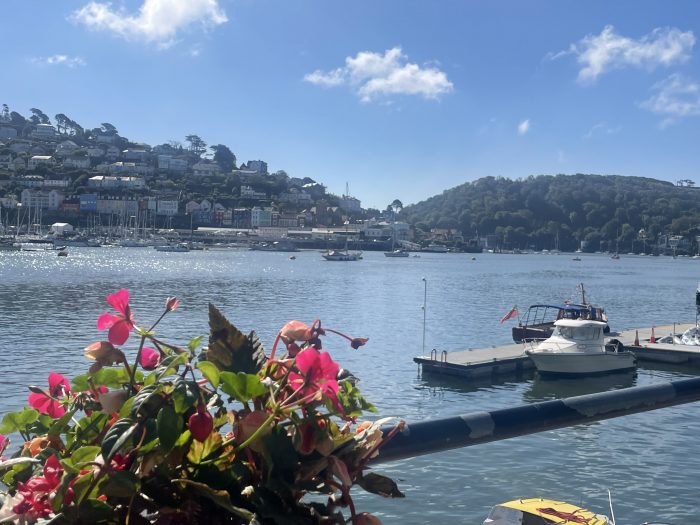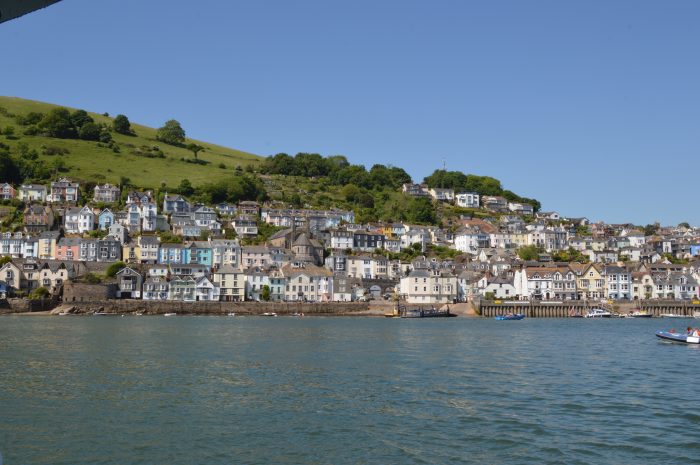


Dartmouth is the kind of place that makes you reach for your camera without thinking. The colourful waterfront, boats moving across the River Dart, historic streets and wide coastal views all seem worth capturing.
Yet after the trip, those photographs often disappear into a phone gallery alongside screenshots, receipts and everyday snapshots. You may intend to organise them later, but months pass and the story of the journey becomes harder to piece together.
Giving your Dartmouth travel photos a more permanent home is not simply about making something attractive. It is about preserving the atmosphere, details and shared experiences that made the visit memorable in the first place.
Dartmouth Travel Photos Tell a Bigger Story
A photograph of Dartmouth Harbour may look beautiful on its own, but it becomes more meaningful when placed beside the moments surrounding it. Perhaps it was taken before a ferry ride, during an early morning walk or while waiting for lunch near the waterfront.
That context turns individual images into a story. Instead of seeing an isolated picture, you remember how the day unfolded, who was with you and what drew your attention.
Dartmouth offers plenty of natural narrative. A collection might begin with your arrival, move through the town’s sloping streets and continue towards Dartmouth Castle, the South West Coast Path or a boat trip along the River Dart. When the pictures are arranged thoughtfully, the journey feels complete again.
Why a Phone Gallery Is Not Enough
Phone galleries are convenient for capturing and storing images, but they are rarely designed for meaningful reflection. Most people accumulate thousands of photographs, making it difficult to find the few that genuinely matter.
Digital storage also encourages repetition. You might take ten versions of the same harbour view, save all of them and never decide which one best represents the experience. Over time, important photographs become buried beneath newer files.
There is also the practical risk of losing access. Phones can break, cloud accounts can change and files may be deleted accidentally. Backups help protect images, but they do not solve the problem of photographs being forgotten.
Scrolling Changes How You See Your Memories
When you scroll through a phone, every image receives only a second or two of attention.
Notifications, messages and other apps can interrupt the experience before you have time to notice the details.
A printed collection creates a slower, more focused way to revisit a trip. You can pause over a view of Kingswear across the water, compare photographs from different days and share the experience without handing someone a small screen.
Printing Dartmouth Memories Adds Emotional Value
Printed photographs feel different because they occupy physical space. They can be held, displayed and revisited without opening an app or searching through folders.
A carefully designed travel photo album can bring together wide landscapes, portraits, street scenes and small details in a clear sequence. It gives your Dartmouth trip a beginning, middle and end rather than leaving it as a loose collection of files.
This format is particularly valuable for family holidays, anniversaries and trips with friends.
Everyone may have taken their own pictures, but combining the strongest images produces a shared record of what happened.
Printed memories can also become more important with time. A casual photograph of someone boarding a Dartmouth ferry may later capture a hairstyle, expression or relationship that would otherwise have faded from memory.
What Makes Dartmouth Ideal for a Photo Book?
Dartmouth has a strong visual identity, which helps photographs work well together. The deep blues and greens of the river, white boats, historic architecture and changing coastal light create natural continuity across the pages.
The town also offers contrast. Grand river views can sit beside close-up photographs of shopfronts, seafood dishes, weathered signs or ropes along the quay. These smaller scenes prevent the collection from becoming a series of similar landscape photographs.
Seasonal changes add another layer. Summer images may focus on busy waterfront scenes and bright skies, while autumn or winter visits can capture mist, quiet lanes and dramatic weather over the Dart estuary.
Include More Than Famous Dartmouth Landmarks
It is tempting to select only polished pictures of recognised attractions. However, personal details often carry more emotional weight than technically perfect photographs.
Consider including:
- The view from your accommodation
- A meal or drink you particularly enjoyed
- Tickets from a river cruise or steam train journey
- Candid photographs of travelling companions
- Unexpected weather or changes of plan
- Quiet details from Dartmouth’s streets and waterfront
These images explain what the trip felt like, not just where it took place.
Dartmouth Places Worth Photographing
If you want your album to feel unmistakably like Dartmouth, build it around a few places that only this town has. Most of the spots below are within walking distance of the town centre or a short ferry ride away.
Bayard’s Cove and Bayard’s Cove Fort
This cobbled quay at the southern end of the town is where the Mayflower and the Speedwell put in for repairs in August 1620, and several of the houses along it date from the 17th century. At the far end sits a small Tudor artillery fort, built to protect the harbour.
Step inside the fort and use its gunports to frame Kingswear across the river. Back on the quay, a wide shot of the old merchant houses makes a strong opening page for the Dartmouth section of your album.
Dartmouth Castle and St Petrox Church
About a mile south of the town, Dartmouth Castle guards the mouth of the Dart estuary. Work on the first fortification began in 1388, and the castle is now cared for by English Heritage. St Petrox Church, rebuilt in 1641 on a much older site, stands right beside the gun tower, so the two often appear in the same frame.
The best angles are from the water on a river cruise or from the rocks around Castle Cove. If you have time, follow the woodland path to Sugary Cove, a small sheltered beach nearby that makes a quieter companion image.
The Boat Float, Royal Avenue Gardens and the Embankment
The Boat Float is Dartmouth’s inner harbour, set in the centre of town and one of the first things you see when arriving on the passenger ferry from Kingswear. The white Victorian front of the Royal Castle Hotel rises behind it.
Next door, Royal Avenue Gardens opened in 1887 and has a bandstand and a three-tier stone fountain, which suit the calmer pages of a photo book. The Embankment running alongside is the easiest place to photograph river traffic and the hillside houses of Kingswear opposite.
The Butterwalk
These timber-framed merchant houses on Duke Street were built in the 1630s, and two of them now house Dartmouth Museum. They reward close-up photography: the timbered upper storeys and the covered walkway beneath make good detail images to place beside wider harbour views.
Jawbone Hill
For one image that shows the whole town, walk up to Jawbone Hill via Swannaton Road. The view takes in the River Dart, Dartmouth Harbour and Kingswear, and it works well as a full-page spread or the cover of your album.
Britannia Royal Naval College
The Royal Navy’s officer training college sits on the hill above the town, and its current buildings were completed in 1905. It photographs best from the river or from Kingswear, where the full length of the building is visible above the water.
The River Dart, Kingswear and Greenway
Some of the most memorable photographs are taken from the water. The short passenger ferry to Kingswear gives a clear view back across to Dartmouth, and Kingswear is also where the Dartmouth Steam Railway from Paignton ends. River cruises pass the castles at the estuary mouth, the naval college and Greenway, Agatha Christie’s former holiday home, which is now run by the National Trust and can be reached by ferry.
Port of Dartmouth Royal Regatta
If you visit in late August, the regatta fills the river with rowing races and a parade of boats, and the week includes a fireworks display. Regatta photographs give an album a clear sense of season and occasion, and they can easily fill a section of their own.
How to Organise Your Dartmouth Travel Photography
Start by gathering photographs from every device used during the trip. If you travelled with other people, ask them to contribute their pictures before making your final selection.
Next, remove obvious duplicates, blurred shots and accidental images. You do not need to include every photograph to create an honest record. A smaller set of strong, varied images will usually tell the story more clearly.
A chronological layout is the simplest option, especially for a weekend or week-long visit. You can arrange photographs by day, beginning with your arrival and ending with the journey home.
Alternatively, organise the images by location or theme. Separate sections could focus on Dartmouth Harbour, the River Dart, local food, coastal walks and nearby villages. This approach works well if your trip involves several day excursions.
Add Captions While the Details Are Fresh
Captions do not need to be long. A date, place name or short sentence can provide enough context to make an image meaningful years later.
Record details that the photograph cannot explain on its own. This might include the name of a boat, the reason everyone was laughing or the small café you found after taking a wrong turn.
Write captions soon after returning home, while names and stories are still clear. Waiting several years can make even distinctive moments surprisingly difficult to identify.
Creating a More Lasting Dartmouth Souvenir
Many travel souvenirs are appealing at the time but eventually lose their relevance. A personal collection of photographs becomes more valuable because it reflects your own experience rather than a generic version of Dartmouth.
It can also be revisited in different ways. Keep it on a coffee table, bring it out when planning a return trip or share it with relatives who could not travel with you. If the holiday marked a birthday, anniversary or family reunion, the finished book can become a thoughtful gift.
The process of selecting photographs is worthwhile in itself. It encourages you to slow down, notice what mattered and reflect on how the trip fits into your wider personal history.
Conclusion: Give Your Dartmouth Photos a Permanent Place
Dartmouth provides more than attractive backgrounds. Its river, harbour, historic buildings and coastal scenery become connected to conversations, discoveries and time spent with the people who joined you.
Do not let those experiences remain hidden among thousands of phone images. Choose your strongest photographs, add the details you want to remember and arrange them into a story you can return to for years. Start with one folder today, and turn your Dartmouth journey into something you will actually see, share and treasure.
” Sponsored”