
Guest Blog Post
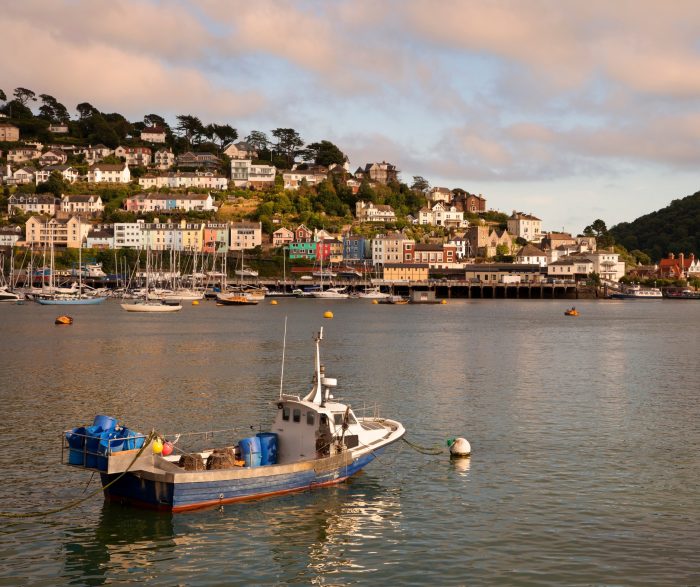
For a town shaped by the water, Dartmouth offers an impressive number of ways to enjoy it. The River Dart winds past the town before opening towards the coast, while boats, ferries and sailing vessels add movement to an already beautiful landscape. Beyond the waterfront, the South Devon coastline brings beaches, coves, walking trails and wide sea views.
You don’t need to be an experienced sailor or dedicated watersports enthusiast to appreciate Dartmouth’s relationship with the water. A leisurely boat trip can offer a completely different perspective of the town, while kayaking or paddleboarding brings you closer to the river. Coastal walks reveal another side of the landscape, with dramatic views across the estuary and towards the sea.
For travellers who are happiest beside, on or in the water, Dartmouth provides plenty of opportunities to explore. And for those whose curiosity eventually extends beneath the surface, it can be the beginning of a much wider fascination with the world’s oceans.
Discover the River Dart from the water
The River Dart is at the heart of Dartmouth’s character. From the waterfront, you can watch ferries crossing towards Kingswear, sailing boats moving through the harbour and fishing vessels making their way along the river.
One of the simplest ways to appreciate the area is to get out onto the water. Boat trips allow visitors to see Dartmouth, the surrounding countryside and the estuary from a different perspective, without needing to navigate or operate a boat themselves. For anyone visiting for the first time, this can be a relaxed introduction to the area’s maritime character.
Dartmouth is also well established as a destination for watersports. Sailing, kayaking, canoeing and paddleboarding are among the activities available around the River Dart and the wider South Devon coastline. The sheltered river can provide calmer conditions for paddling, while the surrounding scenery makes the journey as enjoyable as the activity itself.
For a more active day, kayaking or paddleboarding can offer an opportunity to explore the river at your own pace. There are also opportunities to travel further upriver towards places such as Dittisham and other picturesque riverside communities.
The appeal is not simply the exercise. Being on the water changes the way you experience Dartmouth. The waterfront becomes a panorama rather than a backdrop, and familiar landmarks take on a different character when viewed from the river.
Take to the coast around Dartmouth
The River Dart eventually meets the sea, and the coastline around Dartmouth provides another reason for ocean lovers to spend time outdoors.
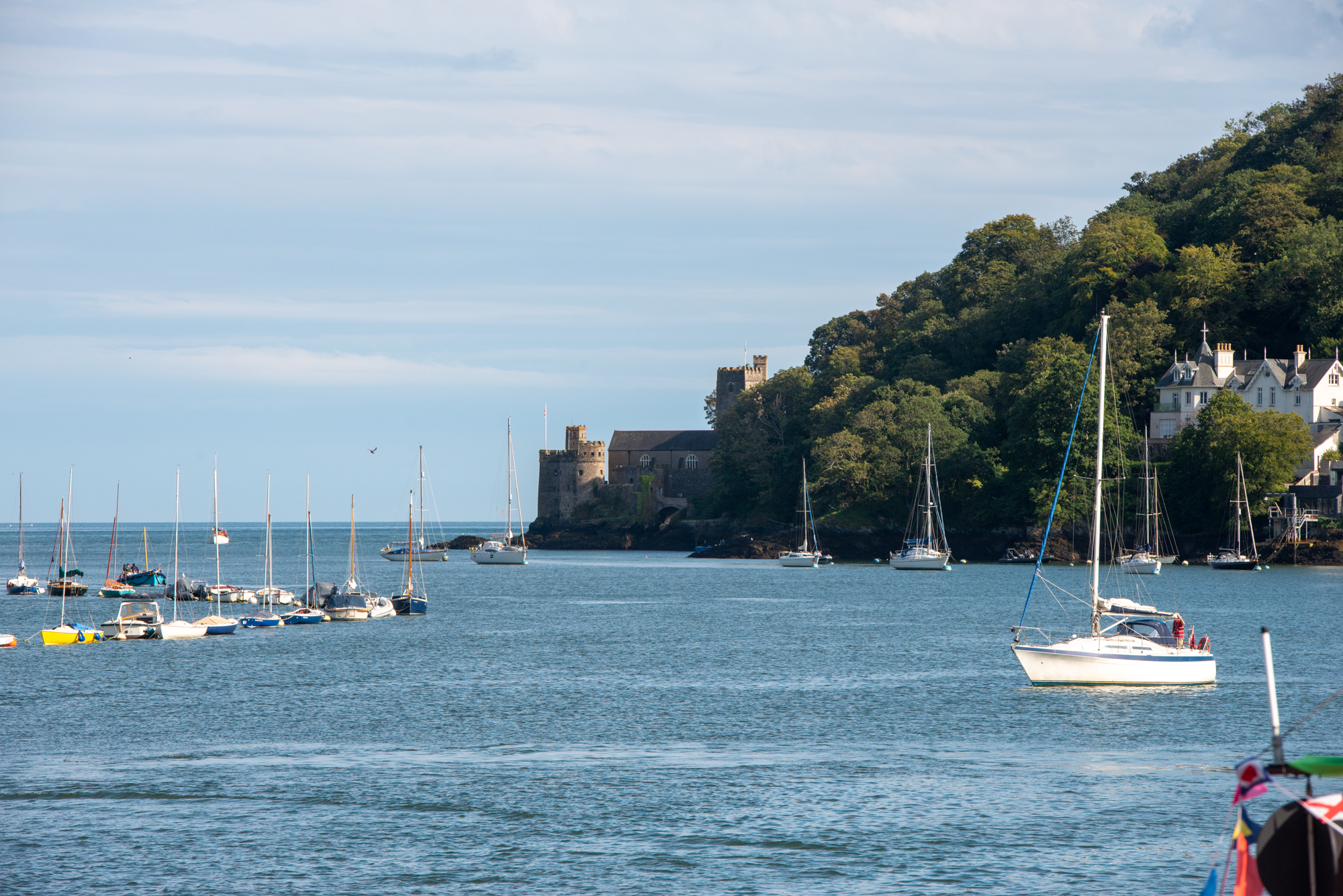
A walk along the waterfront is an easy place to begin. The Embankment offers views across the river, while routes towards Dartmouth Castle provide a chance to combine scenery with history. The castle sits close to the mouth of the River Dart, making its location particularly impressive for anyone interested in the relationship between Dartmouth and the sea.
From Dartmouth Castle, walkers can continue along sections of the South West Coast Path, with views across the estuary and surrounding coastline. The landscape changes quickly as the route moves away from the town, shifting from the sheltered river to more open coastal scenery.
For a longer adventure, the Dart Estuary Walk provides a challenging route of around 5.6 miles, combining sections of Dartmouth with the River Dart estuary and the South West Coast Path. The route includes elevated views towards the river mouth and coastline before eventually returning towards Dartmouth Castle and the town.
There are also shorter walks for visitors who simply want to experience the scenery without committing to a full-day hike. The Dartmouth Town Trail, for example, combines the waterfront with historic streets and landmarks, making it an easy way to explore the town on foot.
Find another perspective on the water
One of the pleasures of visiting a place like Dartmouth is that the same landscape can feel completely different depending on how you experience it.
A walk along the coast gives you elevated views over the sea. A boat trip puts you at water level. Kayaking or paddleboarding brings you even closer to the river, allowing you to notice smaller details such as wildlife, changing tides and the quiet corners of the estuary.
For many visitors, this variety is part of the attraction.
Dartmouth’s watersports offering ranges from relatively gentle activities to more energetic adventures, including sailing, kayaking, canoeing, paddleboarding, coasteering and wild swimming. That makes it possible to build a day around the water regardless of whether you want to be active or simply enjoy the scenery.
The coastline offers yet another experience. Nearby beaches and coves provide places to slow down after time on the river, while coastal viewpoints offer a chance to appreciate just how closely Dartmouth is connected to the wider South Devon landscape.
For ocean lovers, that combination is hard to beat: river, estuary, coastline and open sea all within the same destination.
Dartmouth’s maritime heritage
Dartmouth’s connection with the water is about more than leisure.
The town’s history has been shaped by its position beside the River Dart and close to the sea. Walking along the waterfront, it is easy to understand why the harbour has been important for generations of sailors, fishermen, merchants and naval personnel.
That history remains visible throughout the town. Dartmouth Castle stands at the mouth of the estuary, while the Britannia Royal Naval College continues the area’s long association with maritime life. Even a simple walk along the waterfront reveals the continuing relationship between the town and the river, with ferries, yachts and working boats sharing the same waters.
The maritime character is also woven into Dartmouth’s walking routes. The town trail, for example, passes through areas associated with the town’s historic waterfront and follows routes that connect its heritage with the River Dart.
This makes Dartmouth particularly interesting for travellers who enjoy destinations where the landscape and history are closely connected. The water isn’t simply something to admire from a viewpoint. It has helped shape the town itself.
When a love of the sea goes further
Spending time around the water can have a way of making you curious about what lies beneath it.
A kayak reveals the surface of a river. A sailing trip gives you a sense of the scale of the coastline. A coastal walk shows how the land meets the sea. But beneath the surface is an entirely different environment, with marine life, coral reefs, underwater rock formations and shipwrecks creating landscapes that are impossible to see from the shore.
That is one reason scuba diving appeals to so many people who already enjoy coastal travel.
Diving changes the pace of exploration. Instead of travelling along the surface, you descend into an underwater environment and become part of it for a while. The experience can range from colourful tropical reefs and encounters with marine life to exploring wrecks and dramatic underwater terrain.
For someone who has spent a day exploring the River Dart or walking the coastline around Dartmouth, the idea of experiencing another side of the ocean can feel like a natural progression.
Taking your ocean adventures beneath the surface
The world’s diving destinations offer an enormous variety of underwater experiences.
The Maldives, for example, is particularly well known for its tropical waters and marine life, including manta rays, whale sharks and colourful reef environments. Original Diving’s Maldives trips combine diving with a range of accommodation and travel styles, from private island resorts to liveaboard experiences.
Other destinations offer something completely different. Indonesia is known for its exceptional marine biodiversity, while destinations across the Pacific and Atlantic provide opportunities to encounter different ecosystems, species and underwater landscapes.
The appeal is that there isn’t one definition of a great diving holiday. One traveller might be fascinated by marine wildlife, another by coral reefs, while someone else may be more interested in combining diving with beautiful beaches, local culture or time on a boat.
That variety makes international diving particularly appealing to travellers who already enjoy exploring coastal destinations.
Planning a tailor-made diving adventure
Once diving becomes part of a traveller’s wider interest in the ocean, choosing the right destination is only the beginning. The type of accommodation, diving style, marine life, season and overall pace of a trip can all make a significant difference to the experience.
This is where a tailor-made approach can be useful.
Original Diving specialises in tailor-made scuba diving holidays, creating trips around the interests and preferences of individual travellers. Its itineraries include destinations such as the Maldives, with options ranging from resort-based diving and island hopping to liveaboard experiences.
The idea is not necessarily to follow a fixed itinerary. Sample trips can instead provide inspiration before a holiday is shaped around the traveller. For example, a diving-focused trip could be combined with relaxation at a private island resort, while a more adventurous itinerary could include several dive locations or a liveaboard journey.
For ocean lovers, that flexibility can be valuable. Just as a day in Dartmouth can be tailored around a quiet river cruise, an energetic paddle or a long coastal walk, a diving holiday can be designed around the type of underwater experience that matters most.
Making the most of Dartmouth as an ocean lover
You don’t need to pack every possible activity into a Dartmouth visit to enjoy its connection with the sea.
For a relaxed day, start with a walk along the waterfront before taking a boat trip along the River Dart. There is plenty to see without having to plan every hour.
If you prefer something more active, kayaking or paddleboarding can provide a closer connection with the river. Sailing is another option for those who want to spend longer on the water and experience the coastline from offshore.
Walkers can head towards Dartmouth Castle and continue along the coast, with longer routes providing sweeping views across the estuary and surrounding countryside. The combination of river, woodland, cliffs and sea means the scenery can change considerably within a relatively short distance.
Wildlife enthusiasts can also keep an eye out for seabirds and other coastal wildlife. On nearby coastal walks, there are opportunities to spot wildlife from viewpoints above the sea, while the river itself provides another habitat to observe.
And for those who have already developed a passion for underwater exploration, Dartmouth can simply become one part of a much bigger relationship with the ocean.
A destination that keeps the water at its heart
Dartmouth offers something special for people who are drawn to the sea.
You can explore the River Dart by boat, kayak or paddleboard. You can follow the coastline on foot, visit historic landmarks overlooking the water or simply sit beside the harbour and watch the tide change.
What makes the experience particularly rewarding is the variety. Dartmouth isn’t defined by one type of water adventure. Instead, the river, estuary and coastline create a natural playground where history, wildlife, scenery and outdoor activities come together.
And perhaps that is why the town can leave such a strong impression on ocean lovers. A visit might begin with a walk beside the River Dart or an afternoon on the water, but the experience can inspire a desire to explore further — from the Devon coastline to the reefs, islands and underwater landscapes found around the world.
For travellers who never quite lose their curiosity about what lies beyond the horizon, Dartmouth is a very good place to start.
” Sponsored”