
Guest Blog Post
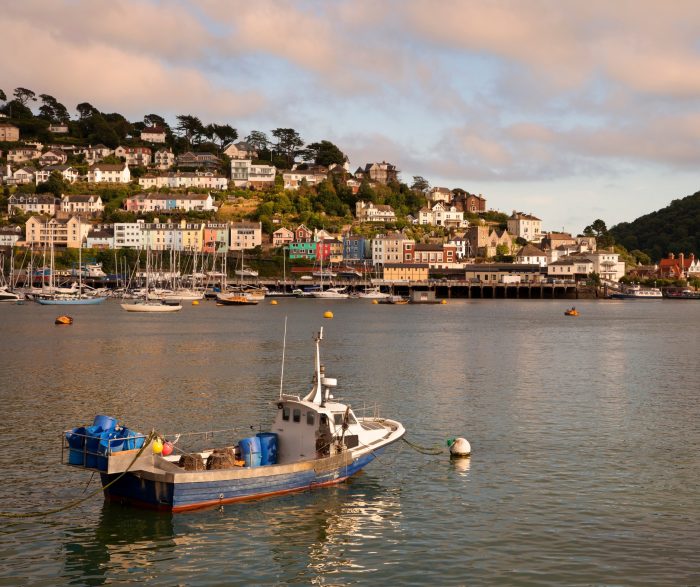
Dartmouth doesn’t reveal itself all at once. From the embankment you see a harbour full of masts, a stack of pastel houses climbing the hill, and the river traffic sliding past — and it takes a day or two to understand how it all fits together. That is the pleasure of the place. This is a town built around its river, and once you start treating the Dart as a street rather than a boundary, Dartmouth opens up.
Here’s how to make a first visit count.
Start with the river, because everything else follows from it
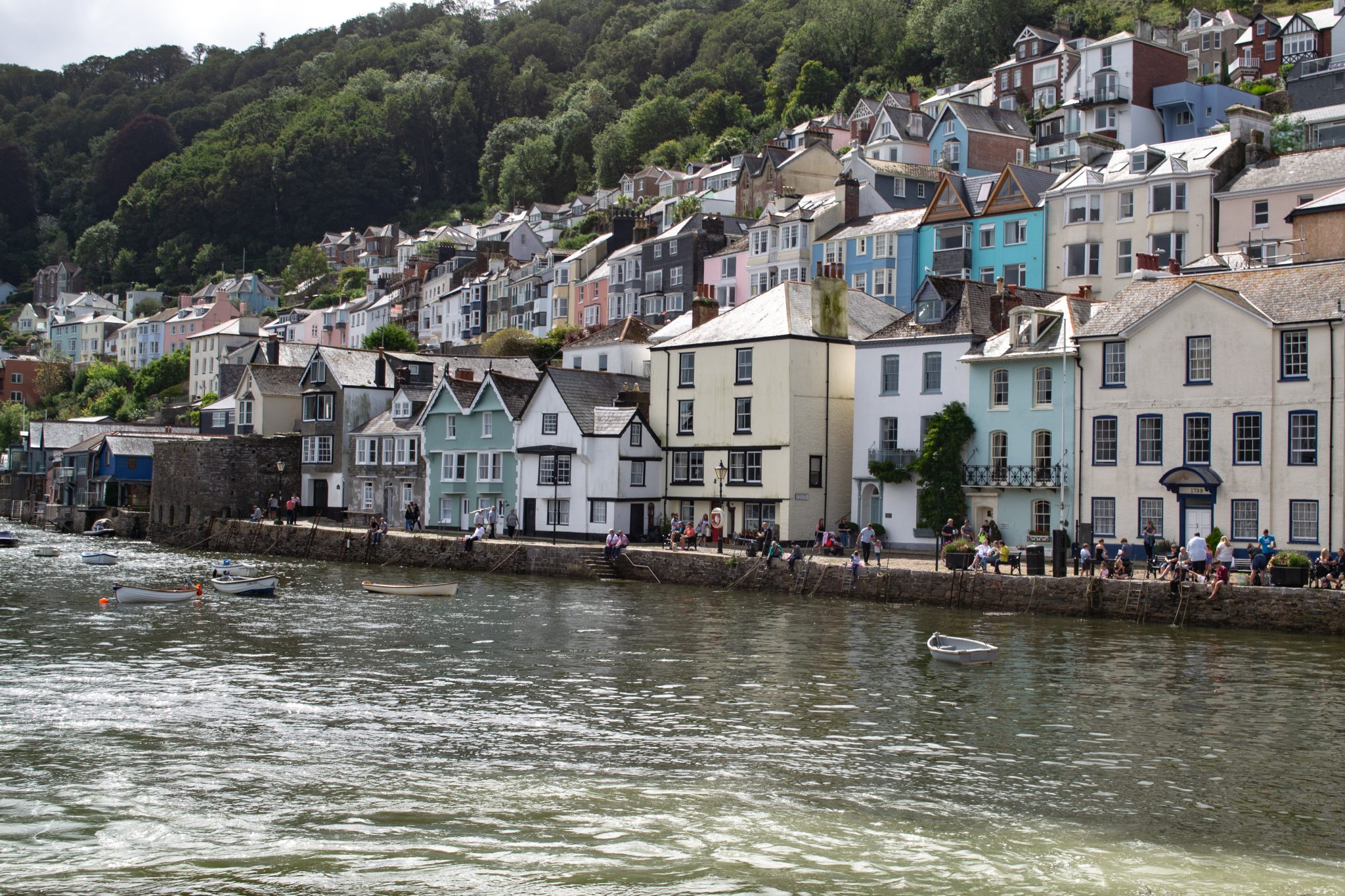
The Dart is not scenery here; it is infrastructure. Three ferries cross it — the Higher Ferry and Lower Ferry carry cars and foot passengers over to Kingswear, and the Passenger Ferry runs from the town centre. Locals use them the way city dwellers use a bridge, and you should too: hop across to Kingswear in minutes and you get the classic view back over Dartmouth’s waterfront, stacked and painted against the hill, that appears on every postcard of the town.
From the embankment you can also head upriver. Boat trips run towards Dittisham — a village of thatch and a famously good pub by the water — and on up the wooded reaches towards Totnes when the tide allows. The river cruise is not a tourist add-on to Dartmouth; it is the single best way to understand why the town exists where it does.
And if you want the water without a skipper, the lower Dart is calm enough for kayaking and paddleboarding at sensible states of tide, with hire available in season.
The castle walk
Dartmouth Castle guards the river mouth a mile or so from the centre, and the walk out to it is one of the best short walks in South Devon: past Bayard’s Cove — the small cobbled quay where the Mayflower and Speedwell put in during 1620 — then along the wooded riverside to where the Dart meets the open sea.
The castle itself is compact and genuinely interesting: a fortress built to command the river with a chain that could be hauled across to Kingswear Castle opposite, and gun positions layered through six centuries of use. Check opening times before you set out, then reward yourself the local way — in summer a small ferry shuttles between the castle and the town quay, so you can walk one way and return by water.
The town between the water and the hill
Back in the centre, Dartmouth is small enough to explore without a plan. The streets immediately behind the harbour hold the town’s oldest corners: the Butterwalk’s timbered merchant houses on Duke Street, Foss Street’s independent shops and galleries, and Bayard’s Cove for the harbour view everyone photographs.
Two smaller stops are worth your time. The Dartmouth Museum in the Butterwalk tells the town’s seafaring story in a few dense rooms. And above everything sits the Britannia Royal Naval College — the vast red-brick building on the hill where the Royal Navy has trained its officers for over a century; it defines the skyline from almost everywhere in town.
When you want a beach, Blackpool Sands sits a short drive or bus ride west: a sheltered shingle bay backed by pines, with clear water and a café, and deservedly one of the most popular swimming spots on this coast.
If you can time your visit
Two events transform the town, and both are worth planning around — in each case booking a bed well ahead.
The Port of Dartmouth Royal Regatta, in late August, is the big one: several days of rowing and sailing races, air displays, music and a fairground, with the whole town effectively turned over to the event. It is Dartmouth at maximum volume.
The Dartmouth Food Festival, in October, is the opposite mood — a well-regarded weekend of producers, tastings and chef demonstrations that suits the town’s food scene, which runs from fish and chips eaten on the embankment to some genuinely ambitious restaurant cooking.
Small practicalities that improve the trip
Let your phone work for you from the start. A surprising amount of a Dartmouth day runs through your phone: ferry and steam railway timetables, tide times for the river, booking a table in season, calling a B&B tucked up a lane a taxi driver may not know. If you’re visiting from overseas, install a travel eSIM before you fly — it activates when you arrive, so you’re connected the moment you land rather than hunting for a SIM card mid-journey. Confirm the plan covers the UK and that your handset supports eSIM; most recent phones do.
Save an offline map too. The lanes around the South Hams are narrow, high-hedged and occasionally short on signal — an offline map removes the worry entirely.
Think twice about driving into the centre. Dartmouth’s streets predate the car by several centuries. In peak season the Park and Ride is the calmer option, and the parking information is worth a read before you commit. Arriving by train instead? The Getting Here page covers the routes in via Totnes and the steam railway from Paignton.
The point of Dartmouth
Some towns are lists of attractions. Dartmouth is more a rhythm: cross the river because the ferry is there, walk to the castle because the path is good, eat something from the harbour because the boats came in this morning. Give it a couple of unhurried days and let the tide set the schedule — that is the town at its best.
” Sponsored”